Design Process
A clear design process guides projects from early consultation and site analysis through to concept design, developed drawings, planting plans and implementation support. The level of detail varies depending on the scale and complexity of the garden, but the aim remains the same: to create a space that is visually considered, practical to build and able to establish beautifully over time.
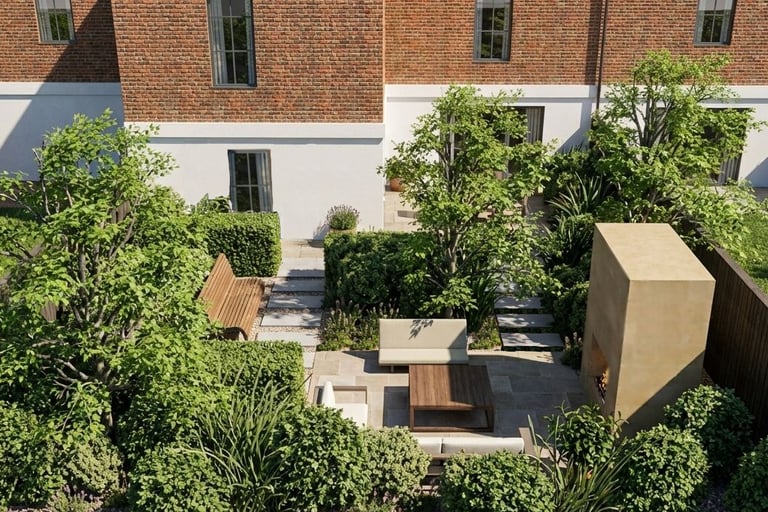
Example of a developed 3D visual used to give a sense of the structure, layout and feel of the proposed design.
Consultation & Brief
This first stage is an opportunity to understand your garden, how you would like to use it, the atmosphere you are drawn to, and any practical requirements such as budget, timescale, maintenance and access. Following the consultation, a written brief is prepared to define the scope of work and establish a clear direction for the design.
1
Site Analysis
Before design work begins, the site is measured and studied in detail. Key features are recorded, existing levels are taken where required, and important conditions such as boundaries, access, aspect, views, existing planting and practical constraints are noted. For larger or more complex sites, a professional topographical survey may be recommended to provide an accurate base for the design.
2
Concept Design
The concept stage explores the overall layout, structure and character of your garden. Sketch plans, mood boards and visuals are used to communicate the proposed direction, helping you understand how the space could be arranged, how it might feel, and how planting, materials and key features could work together.
3
Developed Design
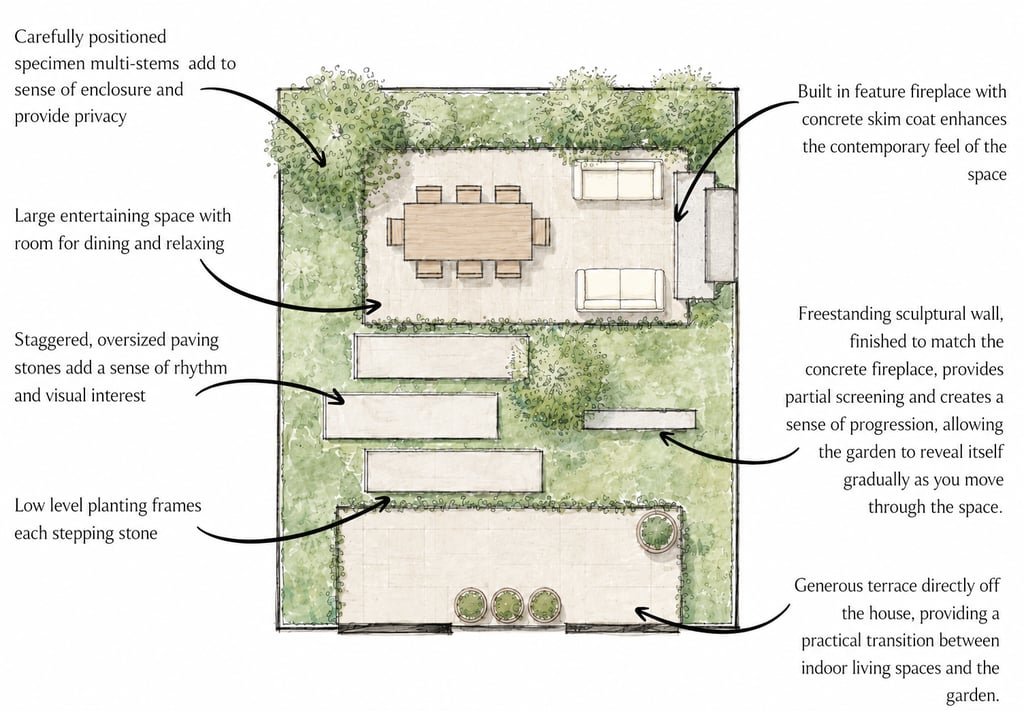
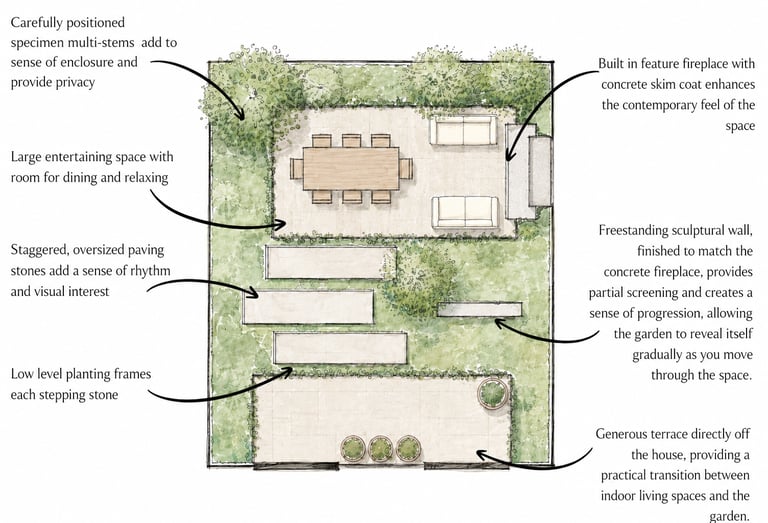
Once a preferred direction has been agreed, the design is refined in greater detail. The masterplan is developed, materials are considered more carefully, key dimensions are resolved and important features are explored further. This stage brings the design closer to a coordinated proposal that can guide costing, detailing and implementation.
4
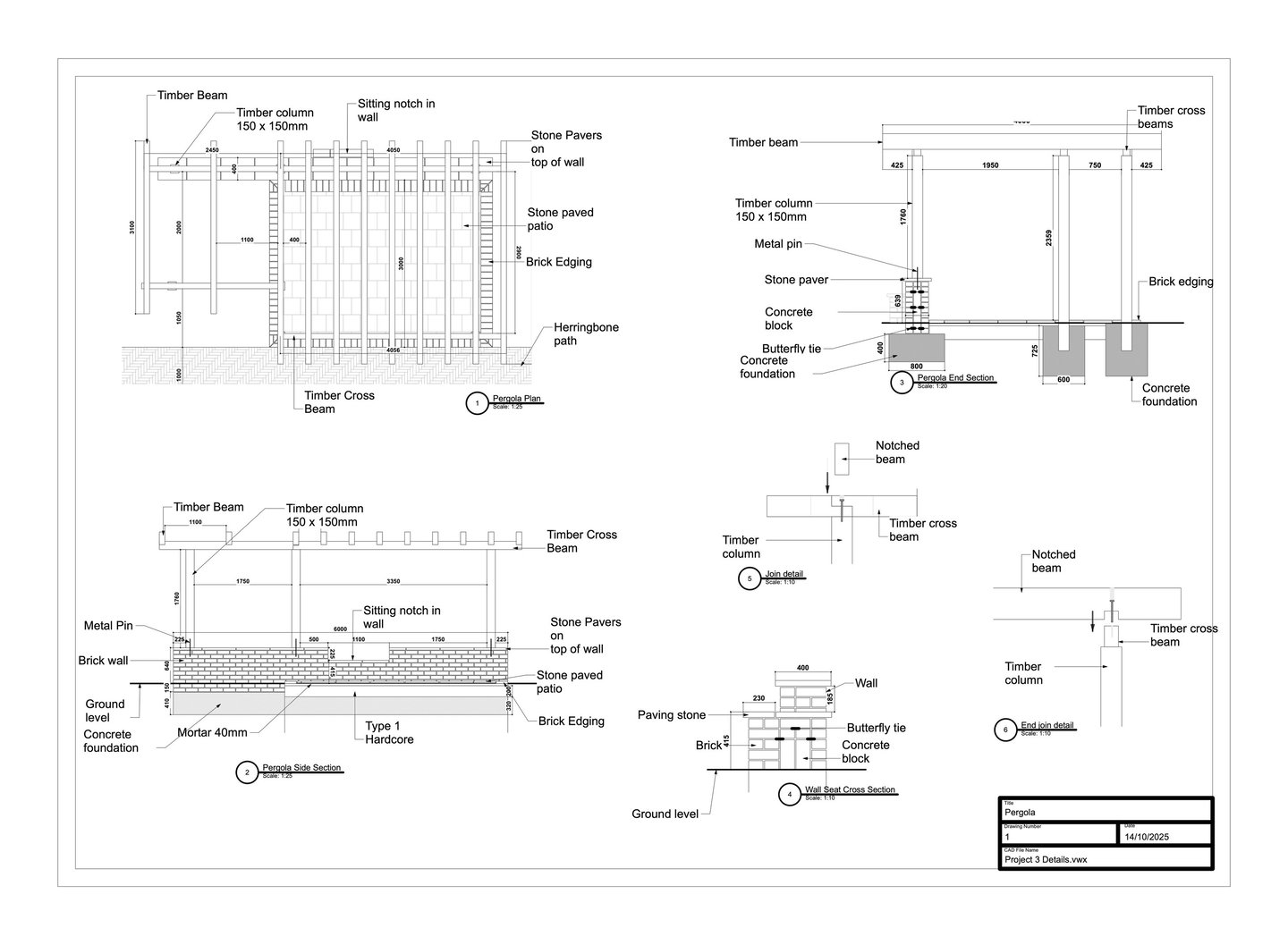
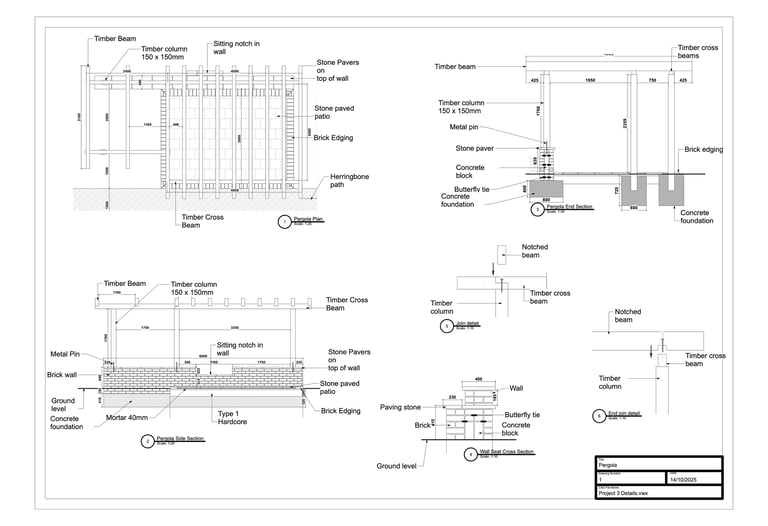
Design Intent Drawings
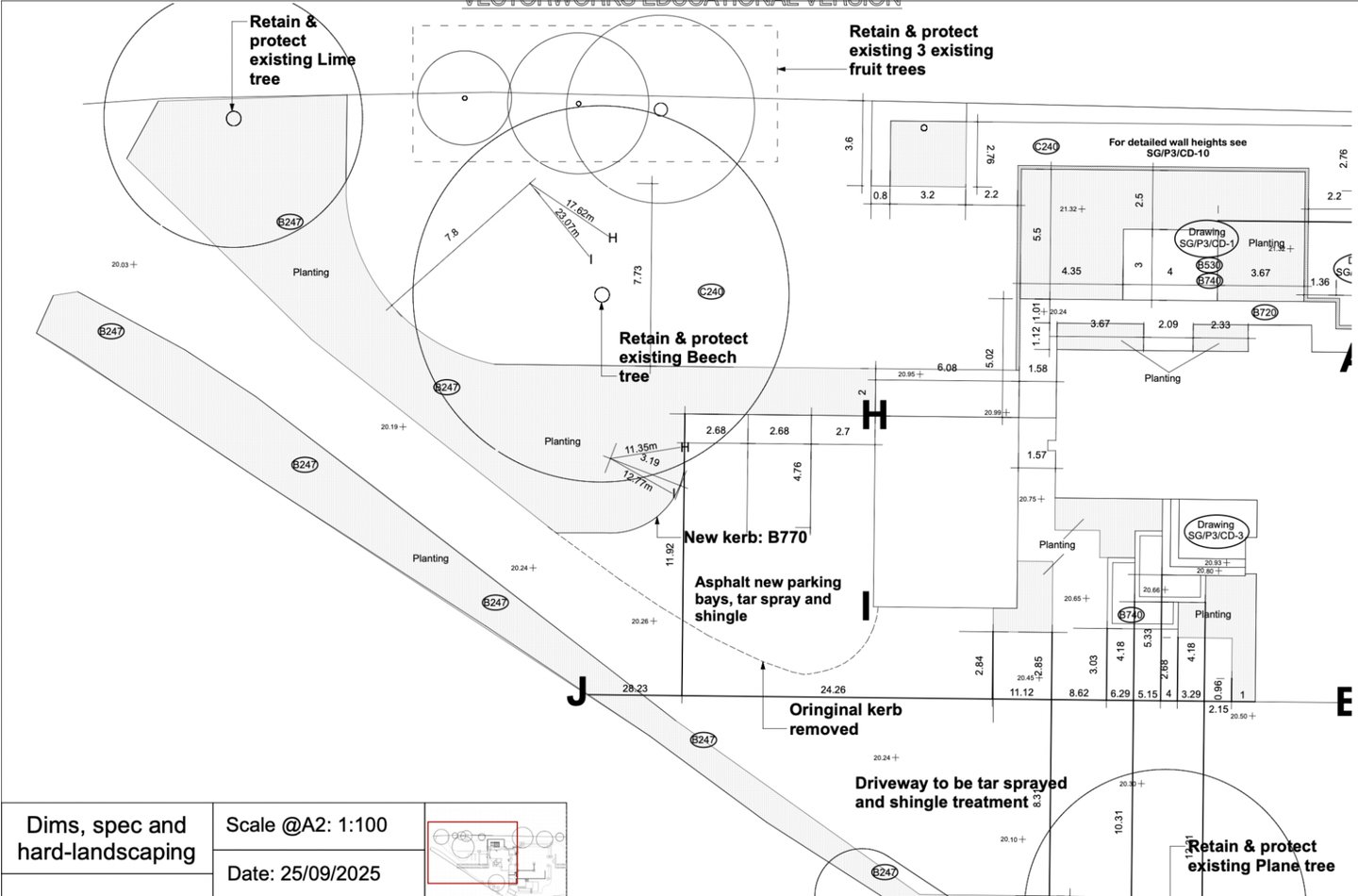
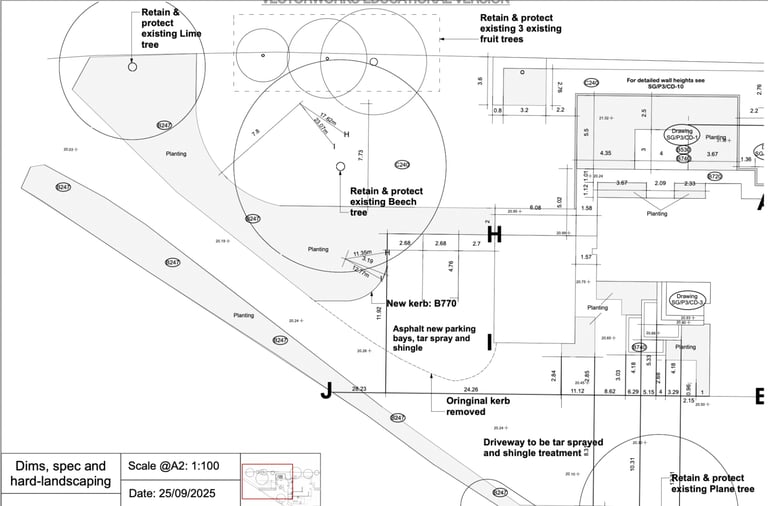
Design intent drawings help communicate how key elements of the garden should be set out and built in order to achieve the agreed design. These may include setting-out plans, material layouts, paving details, lighting layouts, sections, elevations and details for specific features such as steps, walls, seating, pergolas, edging or water features.
Where specialist input is required, such as structural, drainage, electrical or detailed construction design, this can be coordinated with the relevant contractor or consultant to ensure the finished garden remains true to the agreed design intent.
5
Planting Plan
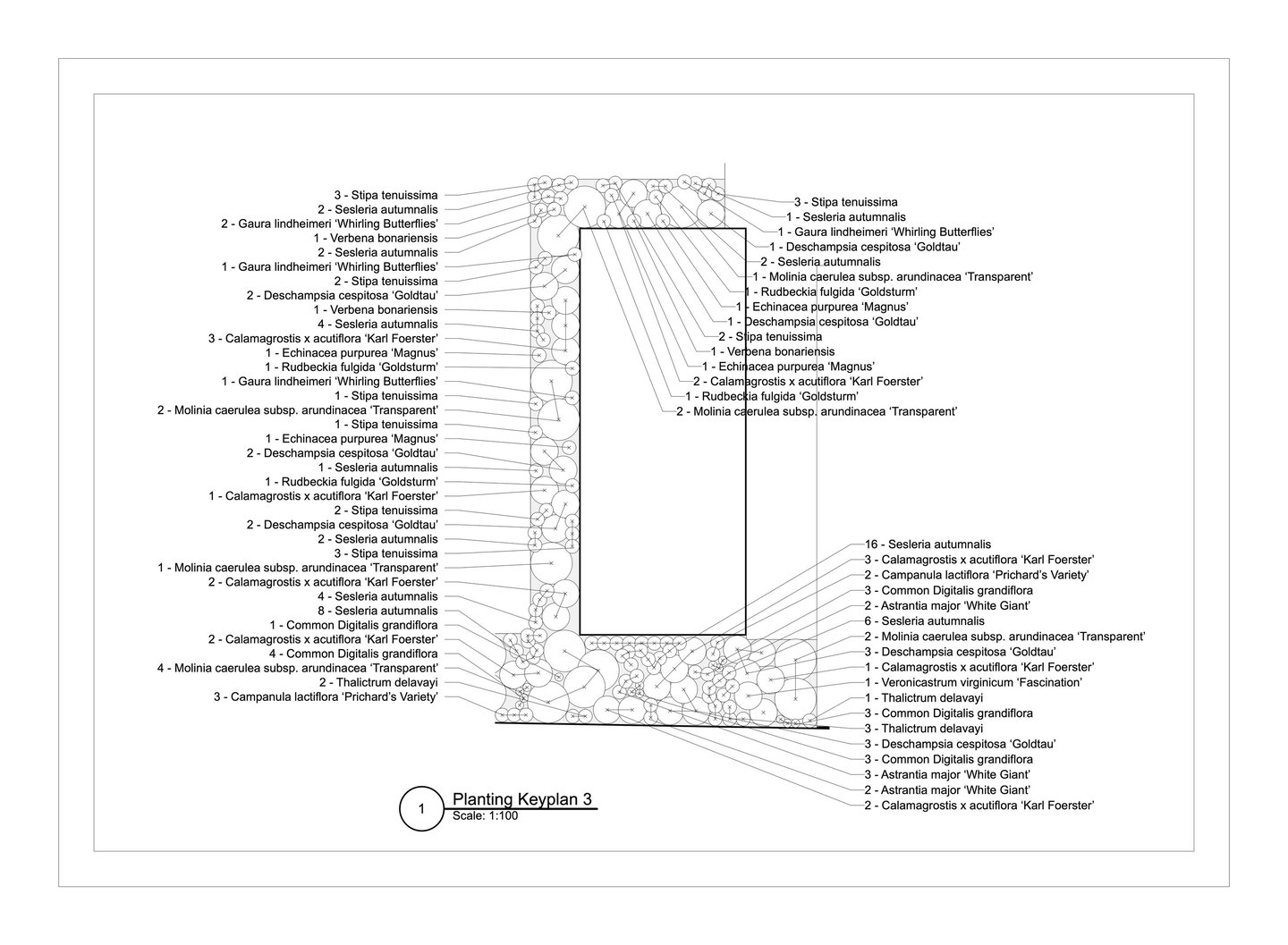
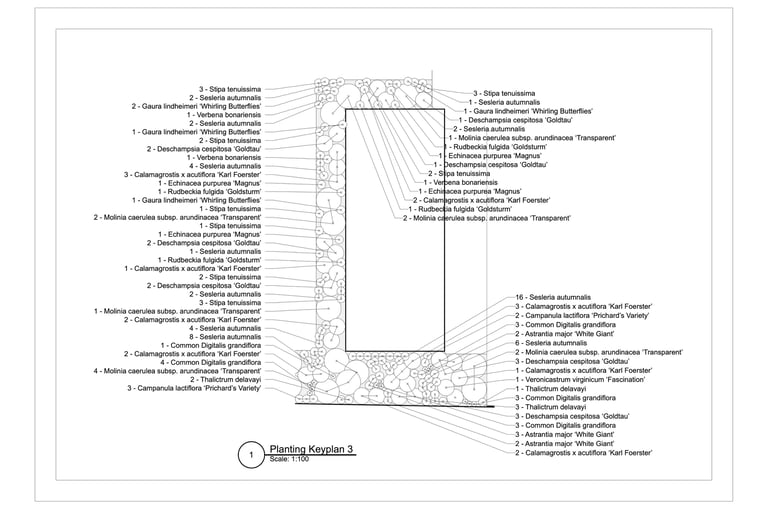
A detailed planting plan is produced to show exactly which plants are proposed and where each one should be positioned within the garden. The planting is designed to support the agreed character and atmosphere of the space, considering structure, texture, colour, seasonality, resilience and long-term establishment.
A full planting schedule is also prepared, setting out the species, quantities, pot sizes and any other relevant ordering information required for sourcing and installation.
6
Build Preparation & Site Support
Once the design has been developed, the relevant drawings and information can be used to help contractors understand, price and deliver the project. This may include design-intent drawings, material information, planting plans and additional notes required for quotation.
During the build, site visits can be arranged to answer questions, review progress and help ensure that the agreed design intent is carried through. The construction itself is undertaken by the appointed contractor, with any specialist structural, drainage, lighting or engineering requirements confirmed by the relevant professional where needed.
7
Plant Sourcing and Setting Out
Once the build is ready for planting, we will source the plants from trusted nurseries and suppliers. This helps ensure that the agreed species, quantities and sizes are ordered correctly, with suitable alternatives selected where required to maintain the character and quality of the design.
We then set out the plants on site before planting, allowing the composition to be reviewed and adjusted in person. This stage helps the planting feel balanced, natural and true to the agreed plan, while responding to the realities of the finished garden.
8